Designing for lifecycle stability, operational reliability, and real-world constraints
The Environment
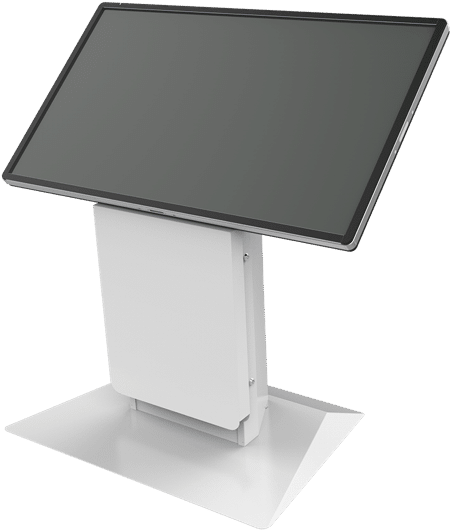
Self-service kiosks are increasingly deployed in mission-critical environments.
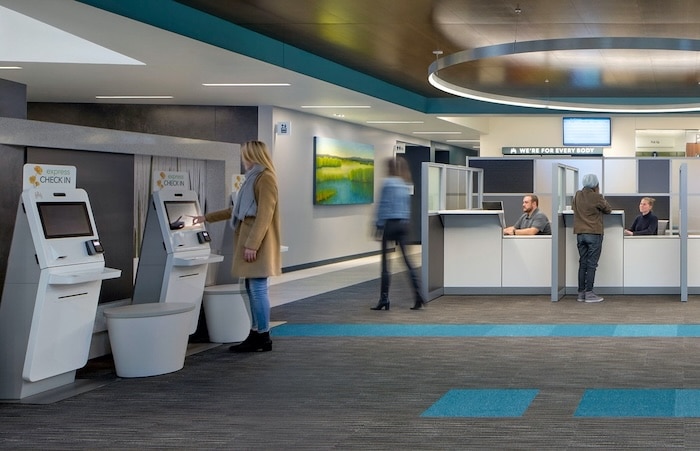
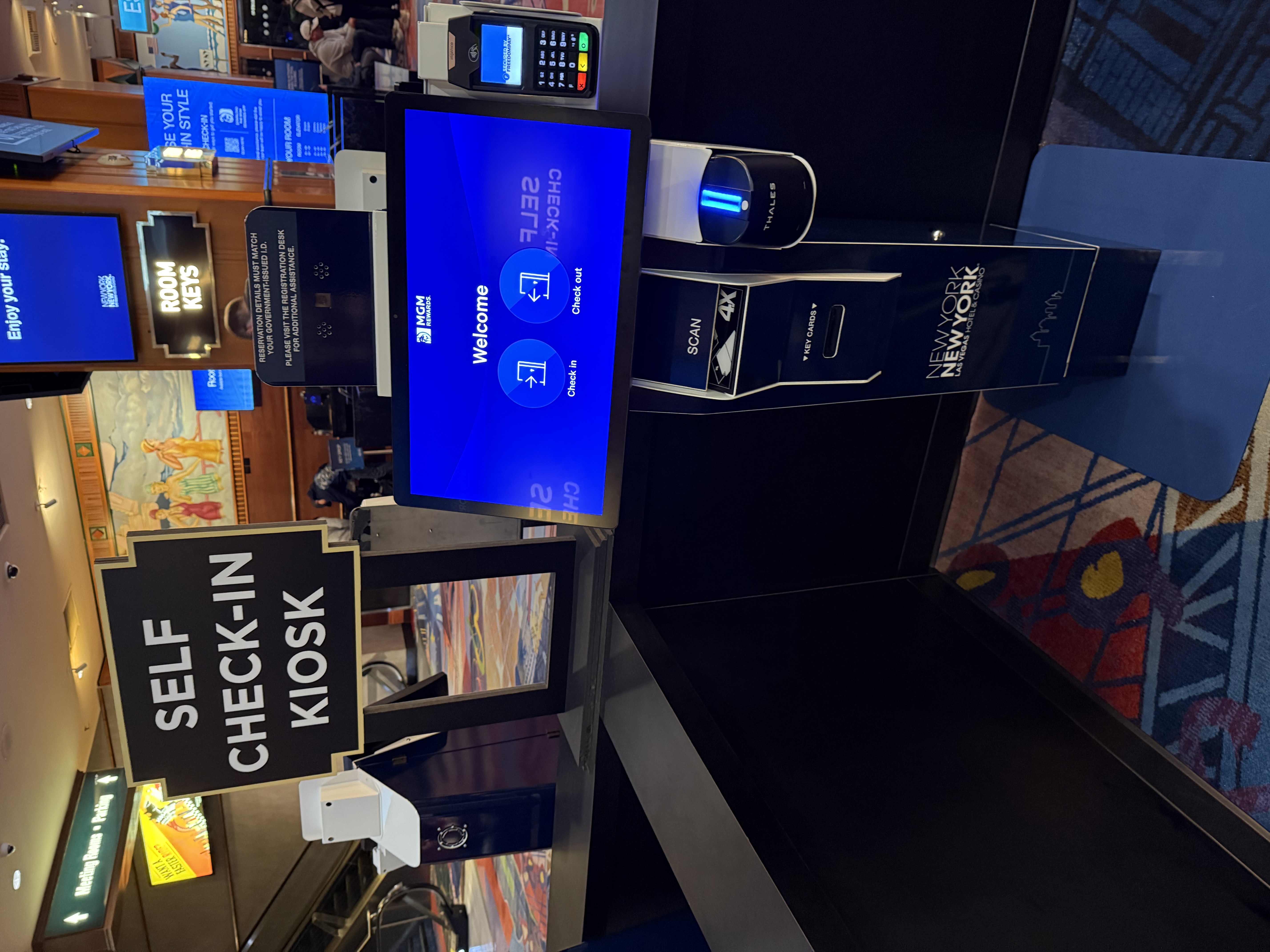
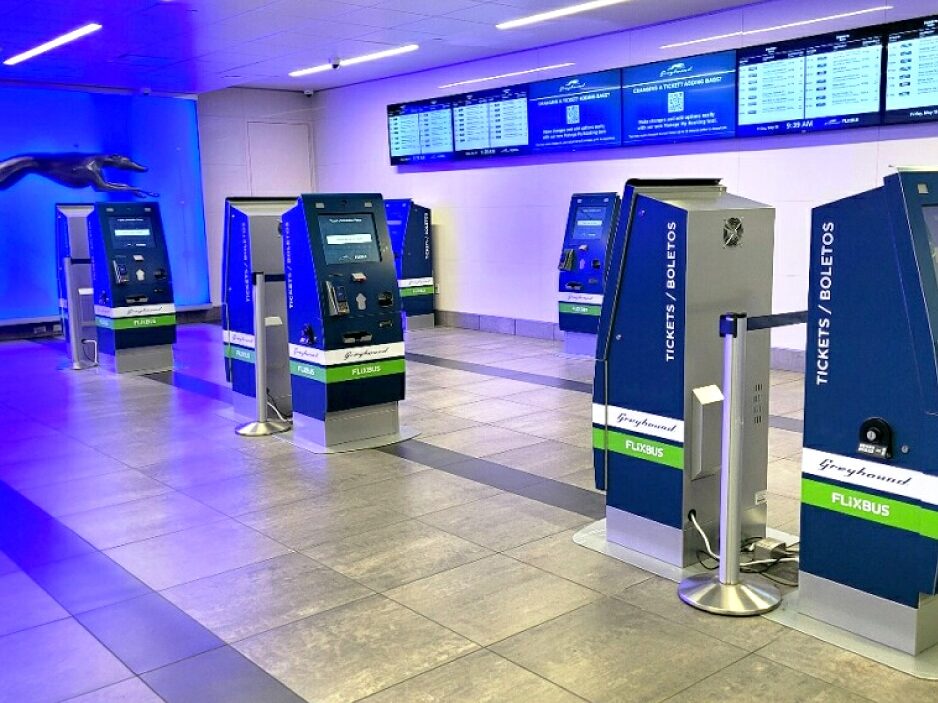
These include retail locations with limited on-site IT support, healthcare and travel venues where uptime directly impacts user experience and revenue, and regulated environments where compliance and auditability are non-negotiable. Many of these deployments span hundreds or thousands of locations, with systems expected to operate consistently for years at a time.
For these organizations, kiosks are not “screens on a stand.” They are part of their operational infrastructure. When they fail, the impact is immediate and visible and affects throughput, customer trust, and frontline teams. That’s why edge computing for self service kiosks is a critical consideration.
Why Many Teams Don’t Start with This Architecture—but End Up Here
Kiosk projects should be planned with enterprise-grade compute and lifecycle stability as requirements. Early deployments often prioritize speed, flexibility, or cost efficiency, especially when launching pilots or testing new customer-facing experiences.
Those early designs may work well in controlled environments. But as deployments scale, teams begin to encounter friction: inconsistent hardware availability, limited remote management, growing security exposure, and rising support costs. What felt manageable at ten locations becomes operationally fragile at two hundred.
In many cases, Olea is brought in after a first deployment has struggled. Not because the original goals were wrong, but because the realities of scale, lifecycle, and operational ownership were underestimated. These challenges shift tend to shift the conversation from features to risk and from experimentation to durability.
The Constraints Teams Are Actually Dealing With
Organizations deploying kiosks at scale are typically balancing a familiar set of constraints. And, unfortunately, these contraints are often competing:
- Long hardware lifecycles (often 5–7 years) in environments that evolve faster than the equipment
- Legacy or specialized software dependencies that require predictable hardware compatibility
- Security and compliance requirements that rule out consumer-grade or lightly supported devices
- Field replacement of peripherals, where components must be easy to remove and replace without disrupting the enclosure or taking the kiosk out of service for long
- Supply chain volatility, where component consistency matters as much as cost
- Lean IT teams that need systems to be stable, serviceable, and remotely manageable
They are the baseline conditions under which many real-world deployments operate. As a result, decisions tend to favor predictability and support.
The Tradeoffs Compute Buyers Are Actually Navigating
For teams responsible for selecting compute platforms, the challenge is rarely about maximizing performance. Instead, it is about navigating tradeoffs that will hold up over time.
Compute buyers are often weighing:
- Initial cost vs. lifecycle predictability
- Performance headroom vs. power and thermal constraints
- Standardization vs. flexibility for future workloads
- Cloud dependency vs. systems that can run locally
In multi-location, customer-facing environments, the “right” choice is often the one that reduces long-term risk rather than optimizing for short-term savings. Hardware that can support evolving workloads, remain consistent across refresh cycles, and be serviced at scale becomes more valuable than marginal cost differences.
A Practical Design Philosophy
In environments shaped by these constraints, successful kiosk deployments tend to have a common design philosophy:
- Favor off-the-shelf, enterprise-grade components
- Design for availability, replaceability, and lifecycle continuity
- Reduce operational risk by limiting unique hardware SKUs
- Ensure the computing platform can support evolving edge workloads over time
This approach optimizes for operational reality.
Olea Kiosks follows this model by designing kiosk platforms that integrate proven computing hardware, standardized peripherals, and flexible form factors. This allows systems to evolve without requiring full redesigns or introducing unnecessary complexity into the field.
Designing for 5–7 Year Lifecycles in a Faster-Changing World
A five- to seven-year hardware lifecycle is a long time when you think about today’s technology landscape. Over that period, software stacks change, security expectations increase, and new peripherals or sensors may be introduced.
What often changes first is not the hardware itself, but the assumptions made during the initial design phase. Operating systems evolve, compliance requirements tighten, and organizations reorganize internal ownership of systems.
Designing for long lifecycles means choosing platforms that can absorb these changes without forcing wholesale replacement. It also means leaving room for future tasks or expanded integrations.
The Role of OEM Hardware Partners
OEM hardware partners play a critical role in enabling this lifecycle-focused approach.
In large-scale deployments, hardware is evaluated not just for its specifications, but for the ecosystem around it. That includes roadmap stability across product generations, enterprise support models suited for distributed environments, and consistent security patching and firmware management.
For these reasons, Dell OEM computing platforms are frequently considered within Olea deployments where customers prioritize long-term confidence, global availability, and enterprise support models. Olea’s goal is to deliver kiosk systems that can handle increasingly demanding edge workloads while remaining manageable and serviceable at scale.
Why Supply Chain Risk Has Become an Architectural Concern
Supply chain considerations have moved from procurement conversations into architectural ones.
In complex, distributed kiosk deployments, replacement units must match existing fleets. Even small component changes can trigger requalification work, software adjustments, or compliance reviews. When systems are deployed globally, these challenges are amplified.
Designing around consistent, enterprise-grade platforms can help reduce exposure to supply chain volatility over the lifecycle of a deployment. It enables teams to plan refresh cycles more confidently and avoid costly mid-deployment redesigns because components are no longer available.
What “Regulated” Really Means in Day-to-Day Operations
In regulated environments, success is less about meeting a one-time requirement and more about sustaining predictable operations over time.
This often translates into practical needs such as consistent patching, clear audit trails, controlled change management, and defined vendor accountability. Systems must behave the same way today as they did yesterday and in ways that can be explained and validated months or years later.
Hardware and software platforms that support disciplined operations are often required in these environments.
Looking Ahead: Edge Intelligence and In-Environment Systems
As more intelligence moves to the edge, kiosk systems are beginning to take on additional responsibilities locally. Use cases include camera- and sensor-enabled interactions, real-time environmental awareness, and reduced reliance on centralized cloud processing.
These shifts increase the importance of selecting computing platforms with sufficient headroom and lifecycle support. Decisions made early in a deployment can either enable or restrict future capabilities.
When This Approach May Not Be the Right Fit
This architecture is not ideal for every scenario.
It may be less appropriate when the goal is an ultra-low-cost project, hardware turnover is expected within months, or environments that tolerate frequent manual intervention. In those cases, simpler or more disposable solutions may be sufficient.
Understanding when not to apply this model is as important as knowing when it fits.
Who This Architecture Tends to Work Best For
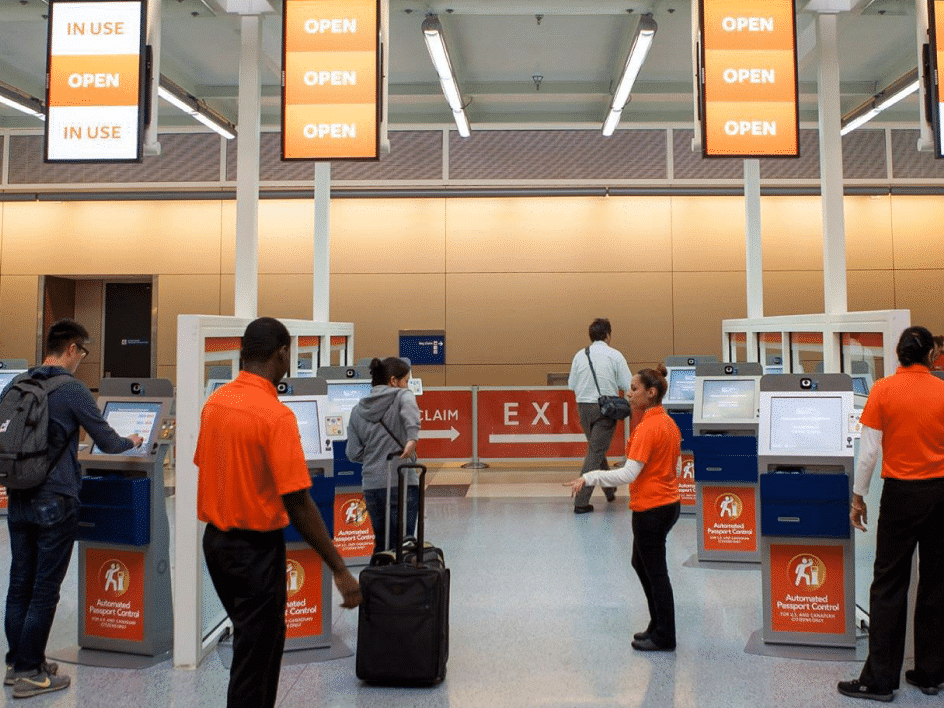
This approach is best suited for organizations operating in high traffic, multi-location environments with long deployment horizons. It aligns well with teams that value risk reduction, lifecycle stability, and operational predictability, especially where uptime, compliance, or customer experience are critical.
What This Means for Kiosk Deployments
Edge computing for self service kiosks should be designed for the realities of scale, lifecycle, and operations, not just initial functionality.
By pairing practical kiosk design with enterprise OEM computing platforms, organizations can deploy systems that remain reliable, adaptable, and supportable long after the initial rollout.
Olea Kiosks works with leading OEM technology providers, including Dell Technologies, to support enterprise-scale kiosk deployments in retail, healthcare, and regulated environments.