Quick Summary
A global shortage of computer memory (RAM) is raising prices and slowing down hardware supply chains in 2026. The shortage is caused by AI data centers, which now use a huge share of the world’s memory chips. This is not just a problem for laptops and phones. It also affects self-service kiosks used in healthcare, transportation, government, and banking. These industries rely on custom, long-lifecycle kiosk hardware that is especially exposed to memory supply problems. Buyers can protect their programs by planning early, choosing standard memory types, and working with vendors who understand the supply chain.
What Is Causing the Global RAM Shortage?
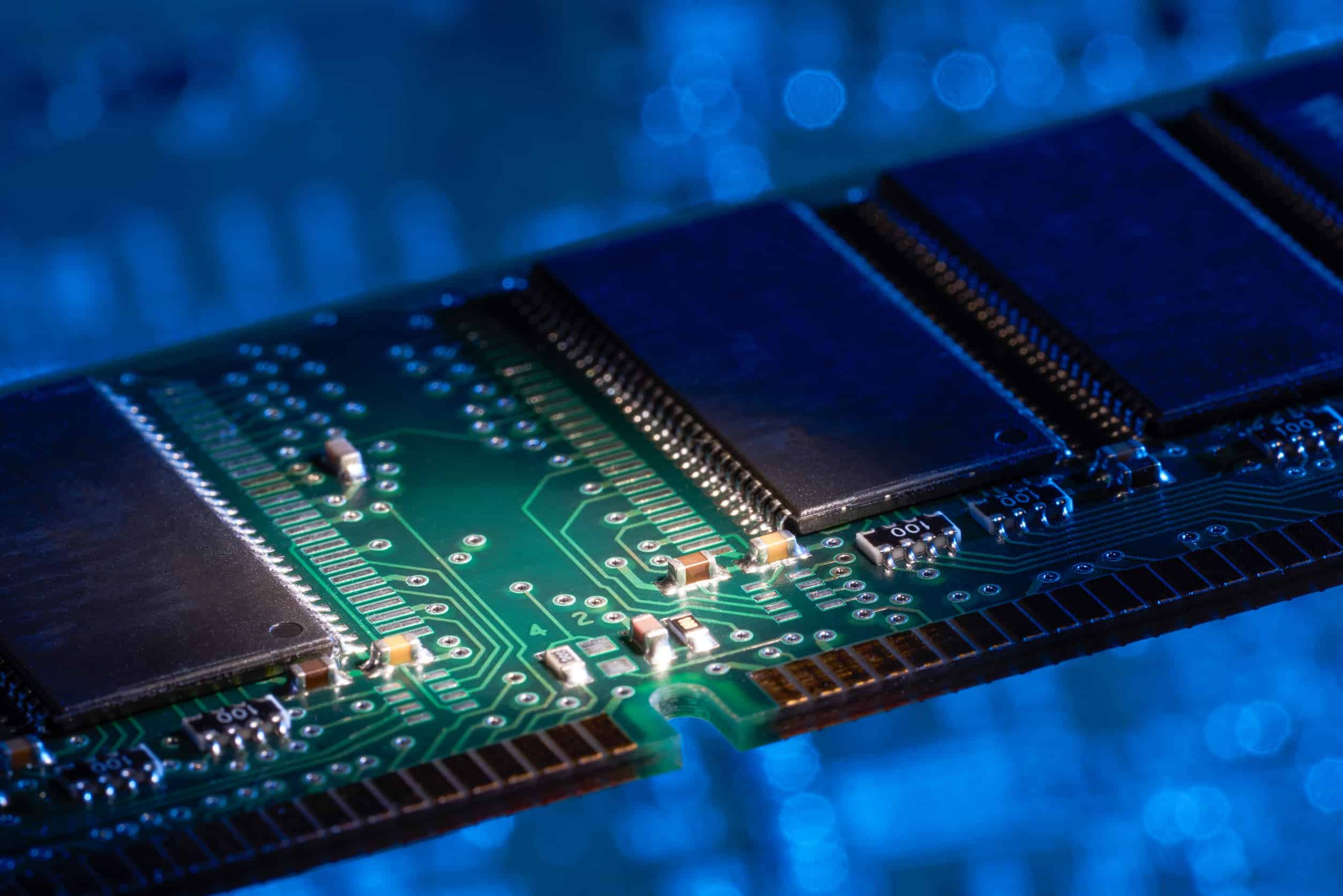
AI is the main cause of the 2026 RAM shortage. Data centers that power AI tools need huge amounts of computer memory. Three companies make almost all the world’s RAM: Samsung, SK Hynix, and Micron. These companies have shifted much of their factory space away from normal memory chips. Instead, they are making high-bandwidth memory (HBM), a special type of chip built for AI computers.
Making HBM chips uses up a lot of factory capacity. Some industry researchers say AI could use between 20% and 70% of the world’s memory supply in 2026, depending on how you measure it. Either way, less memory is left over for everyday devices like laptops, servers, and kiosks.
Research firm IDC expects total memory supply to grow only about 16% in 2026. That is far below what past years have seen. Most experts do not expect the shortage to ease before 2027 or 2028, when new factories are expected to come online.
How This Is Already Hitting PCs
The shortage has already changed the PC market. Memory now makes up a much bigger share of a computer’s total cost than it did a year ago. Major computer makers have raised prices and cut back on higher-memory options.
This also matters for kiosks. Most kiosk computers use the same memory chips as office and enterprise PCs. That means a kiosk maker cannot avoid the shortage.
Why Complex, Custom Kiosks Feel More Pain
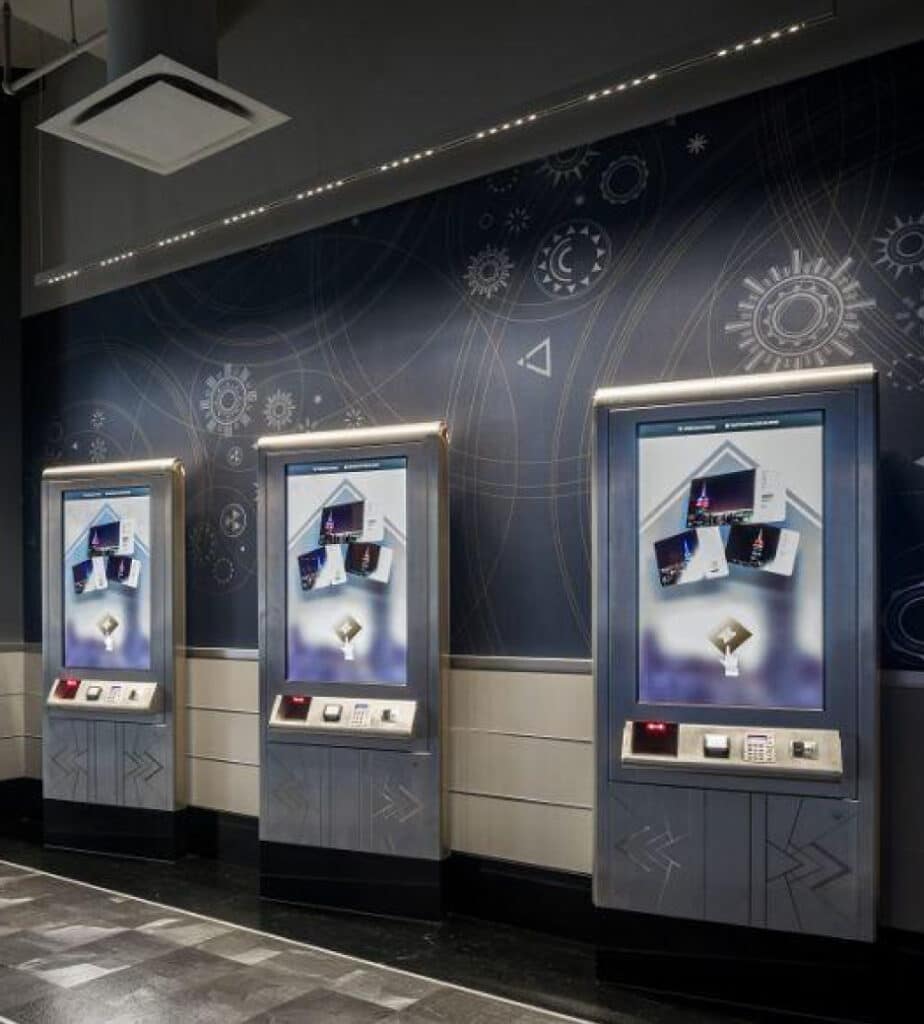
Simple kiosks, like the ones used for fast food ordering, often use standard, off-the-shelf computer boards. These are easier to replace or swap out when parts run short.
Custom kiosks are different. Healthcare, transportation, government, and banking kiosks often use industrial computers built for long service lives, sometimes 7 to 10 years or more. These systems use memory chips from older, more specialized product lines. Chip makers have less reason to keep building these older chips when AI memory is far more profitable. That makes long-lifecycle kiosk hardware more likely to face shortages, price increases, and parts that are hard to find.
How the Shortage Affects Each Industry
Healthcare Kiosks
Hospitals use kiosks for patient check-in, wayfinding, prescription pickup, and telehealth visits. These kiosks often run several programs at once, including the patient-facing app, encryption tools, activity logs, and security software. If a kiosk does not have enough memory, it may struggle to run all of these at the same time. That can slow down security and logging tools that help protect patient data under HIPAA rules.
Transportation Kiosks
Ticketing, boarding pass, and fare kiosks often pull live data, support several languages, and connect to central booking systems. When memory is short, transit agencies may need to roll out upgrades in phases instead of all at once. This can leave a mix of old and new kiosk hardware running side by side across a network of stations.
Government Kiosks
Kiosks used for DMV check-in, permits, and benefit applications often run identity checks, document scanning, and accessibility tools. These programs use a lot of memory. Government buying rules can also take years from planning to installation. That makes it hard to adjust quickly when memory prices or supply change during the process.
Financial Services Kiosks
Financial transactions include sensitive tasks like fraud checks, encryption, and multi-factor login. These features all use memory at the same time. Financial services also tend to keep kiosk hardware in service longer than other industries. That means they could be stuck supporting an older memory type long after it becomes hard to find.
Design Trade-Offs During a Memory Shortage
Software developers now have to balance memory against other costs, like processing power. Many are responding in a few ways:
- Simplifying software so it needs less memory to run
- Reducing background processes that are not essential
- Avoiding rare or highly custom memory types that are hard to replace
Choosing common, widely used memory standards is now a smart strategy, not just a cost-saving move. Rare parts are the first to run short in a tight market.
Why This Is a Supply Chain Story, Not Just a Price Story
Industrial and embedded memory chips are different from the memory in a home computer. They are built to handle extreme temperatures, last longer, and fit smaller devices. These chips often use older manufacturing technology.
As chip makers focus on newer, more profitable AI memory, they have less reason to keep building these older chip types. This raises the risk of a “last time buy” situation, where a specific memory part reaches the end of its production life sooner than expected. For a kiosk program built to run for many years, this is a real planning risk.
How Kiosk Buyers Can Plan Ahead
Plan early. Build a multi-year hardware plan with your kiosk vendor. Include memory supply and part lifespans in the plan, not just software features.
Choose standard parts. Pick common memory types used across the industry. Avoid rare or highly custom configurations when possible. Consider designs where the computer module can be swapped without replacing the whole kiosk.
Protect what matters most. If memory is limited, give priority to security, reliability, and accessibility features. Use smart software design, like caching and session management, to keep the kiosk feeling fast for users.

Pick the right partner. Work with a kiosk vendor who has strong relationships with memory suppliers and industrial computer makers. Ask vendors to be clear about supply risks and how they plan for parts reaching end of life.
The Bottom Line
Most experts agree the memory shortage is not a short-term problem. It is a lasting shift in how the chip industry builds and sells memory. Healthcare, transportation, government, and financial organizations that plan for this now will be in a much stronger position later. The first step is simple: review your kiosk hardware roadmap and talk with your technology partner about where memory risk shows up in it.